

Over the years I have heard a lot of people complain about Apple and their cables. It seems to most people that Apple comes out with a new cable all the time, keeping consumers on their toes and reaching into their pockets. Just a few weeks ago I told a client that their new iPhone didn’t use the same cable as their old one and that they would need a new charger.
“Of course they’ve changed it again!” Was the Client’s frustrated response.
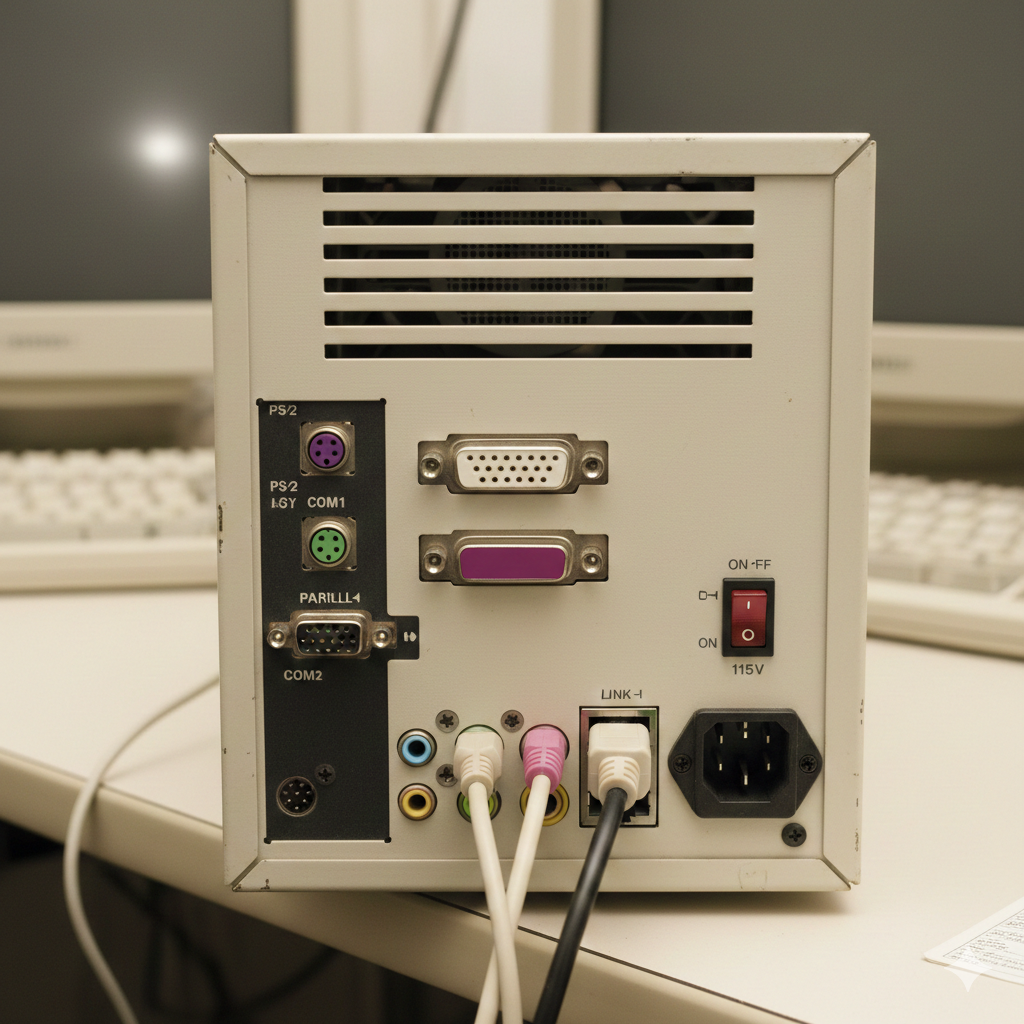
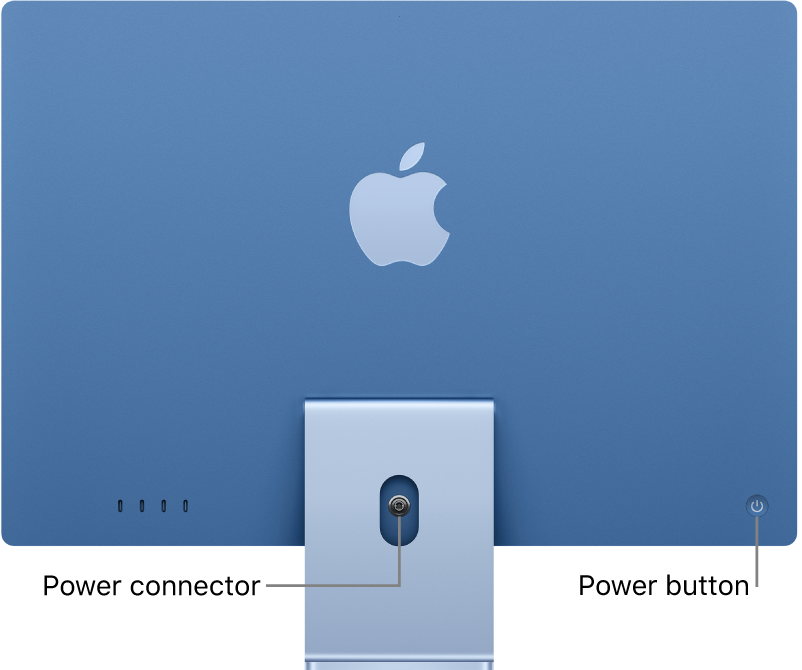
I know it seems that way but the truth is that Apple haven’t changed cables or connections as often as other brands and when they have it is often with good reason. In fact when it comes to the iPhone Apple dragged their feet because they knew that the backlash would be significant, that there would be riots in the streets and the burning down of the local Apple Store. However, due to the iPhone getting thinner and thinner, the capabilities getting better and files getting larger and, as we will see, law makers, they were forced to make the change. And, frankly, we are all better off.
But for most in the last decade, owning an iPhone has seemed like being married to a very beautiful, very talented supermodel who insists on eating only one specific type of organic, hand-reared Peruvian blueberry. If you went to a friend’s house and forgot your Lightning cable, you were stuffed. You couldn’t use their charger. You couldn’t use your laptop’s charger. You were essentially holding a $1,200 glass brick because Apple decided, in their infinite wisdom, that the rest of the world’s cables simply weren’t posh enough.
But then, the European Union—a body usually busy measuring the curvature of bananas or deciding how many hours a week a French person is allowed to look at a baguette—actually did something useful. They told Apple: “Switch to USB-C, or you can’t sell your phones here.”

And the result? It’s the best thing to happen to the iPhone since they decided we didn’t need a physical keyboard taking up half the screen.
USB-C isn’t just a different shape. It’s like trading in a damp moped for a supercharged Bugatti.
First, there’s the speed. The old Lightning cable transferred data at roughly the same pace as a Victorian postal worker on a unicycle. It was fine for a few holiday snaps, but if you’re trying to move 4K video, you might as well have been writing the code out by hand. USB-C, specifically on the Pro models, is like a firehose of information. It moves data at up to 10 Gigabits per second. That is fast.
And I know what you’re thinking… I don’t need that kind of speed…but the truth is you probably do, you just don’t know it. With every iPhone your pictures are getting better, more detailed and finer. Your videos are cinema quality… in fact some movies are filmed entirely on an iPhone and projected on the big screen. So the files are larger and if you want to move this data around you’ll need speed.
Then there’s the power. A Lightning cable would trickle-charge your phone with the urgency of a sleeping sloth. USB-C, however, can handle enough wattage to jump-start a small car. You can use your MacBook charger—the big, beefy one—to charge your iPhone, and it doesn’t explode. It just fills up with electricity in the time it takes to make a sandwich.
Then there is the slow death of the Dongle. For years, being an Apple user meant carrying a bag of white plastic adapters that looked like a collection of expensive pasta. You needed a dongle for your headphones, a dongle for your camera, and probably a dongle for your dongle.
Now? One cable. Just one.
I can use the same cable for my iPad, my MacBook, my Kindle, my Sony camera, and even—God forbid—an Android phone. It’s logical. It’s efficient. It’s the sort of engineering simplicity that makes you want to go into a shed and build a bridge.
It is the universal language of the digital age. It’s like being able to walk into any pub in the world and find they all serve is Newcastle Brown Ale.
Of course it is not all plain sailing. When Apple popularised USB in the 1990s there was literally an avalanche of printers, disk drives and scanners all sporting this universal connector. If the manufacturer wrote the software, any scanner or printer would work on Mac or Windows without a special port.
But, with the whole world moving to USBC – for a few years – most ext hard disk and printers still run on the old style USB. So until they catch up a USB hub is needed for the desktop and portable computers.
Apple will tell you they moved to USBC for “the environment” or “innovation.” They didn’t, not entirely anyway. They did it because a man in Brussels poked them with a stick. But it doesn’t matter why they did it.
What matters is that the iPhone finally plays well with others. It’s faster, it’s more powerful, and most importantly, it means I no longer have to ask, “Does anyone have an iPhone charger?” in a room full of people. I can just grab the nearest cable, plug it in (either way up, thank the Lord), and get back to the important business of shouting at people on the internet.
So the next time you scowl at Apple for switching to USBC, remember that it is making life easier, faster, and your luggage just a little bit lighter.

Recent Comments